Here’s a deeper look at Jim Spinetta and his wife Normita Spinetta — the El Dorado/Amador‑area agricultural couple whose recent $200,000 gift is helping support young farmers across California.
🌱 Who Are the Spinetta Family
-
Jim Spinetta currently serves as Vice President of El Dorado County Farm Bureau (EDCFB).
-
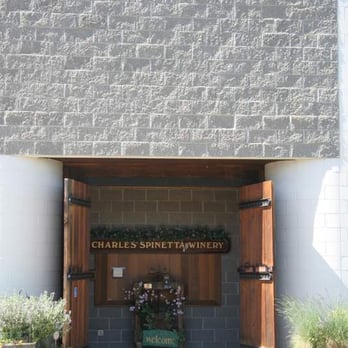
He also has deep roots in viticulture: his family has been grape growers in Amador County since 1852, and they operated the historic Charles Spinetta Winery & Wildlife Art Gallery.
-
As family vineyards evolved, Jim shifted more recently toward citrus farming in El Dorado County — a transition that reflects both geographic and agricultural diversification.
-
His background is academic as well as practical: Jim holds a bachelor’s degree in Plant Science from Fresno State University, plus an associate degree in landscaping and horticulture from Sierra College.
Beyond farming, Jim appears to be active in community leadership and outdoor pursuits: according to the EDCFb board profile, he enjoys traveling, sailing, white-water rafting, mountain biking, mentoring, hiking, and other outdoor activities. edcfb
Their Legacy — From Wine Grapes to Citrus, and a Commitment to Agriculture
The Spinetta family’s history in California agriculture stretches back more than a century and a half. Their legacy began with grape growing, then winemaking, under the Charles Spinetta label.
At the winery’s tasting room they paired wine with art — the “Wildlife Art Gallery” featured hundreds of framed pieces. That blend of tradition, creative spirit, and agriculture symbolized their identity.
But as times and markets changed, the family pivoted: Jim moved part of the operation into citrus farming in El Dorado County. This shift represents both continuity (staying in agriculture) and adaptation (changing crops, adapting to new conditions).
Furthermore, Jim’s role on the EDCFb board shows a commitment not only to his own farm, but to the broader farming community — representing interests statewide, engaging in advocacy, and supporting local agriculture.
Their Investment in the Future — Supporting Young Farmers & Ranchers
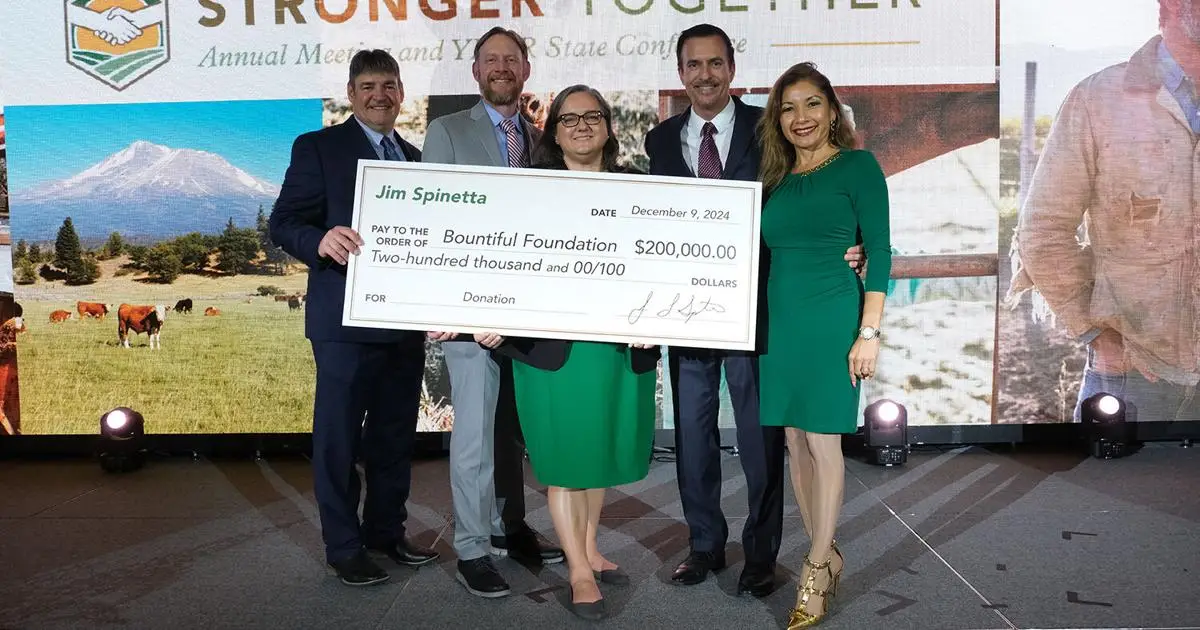
That brings us to the Spinetta family’s recent philanthropic contribution: Jim and Normita Spinetta invested $200,000 in a fund established by California Farm Bureau (CFBF) to advance the “Young Farmers & Ranchers Discussion Meet” contest.
The gift helps ensure that the competition remains robust — offering scholarship awards and pathways for students to engage in leadership, policy discussion, and agriculture‑oriented debate. That the fund supports young people across the state makes the Spinetta name part of a much larger legacy: cultivating future stewards of California agriculture.
In the words of a recent contest announcement: the Discussion Meet encourages thoughtful exchange on issues like farmland preservation, policymaking, digital engagement and environmental stewardship.
By tying their name — a family with deep agricultural roots — to this fund, the Spinetta family are signaling that they believe agriculture’s future depends on the next generation. The gesture bridges past and future: from 1852 vineyards in Amador County to citrus groves in El Dorado County, now supporting students across the state.
Why Their Story Matters for El Dorado County
-
Local leadership: As vice president of the EDCFb, Jim Spinetta helps shape how agriculture is governed and represented in our county. Their history as farmers and vintners gives real-world credibility to their leadership.
-
Symbol of resilience and adaptation: Their shift from grapes/wine to citrus demonstrates how farmers sometimes must adapt in response to changing economic and environmental conditions. That kind of flexibility is relevant to many local growers, especially in Sierra‑foothill regions like ours.
-
Support for youth and future agriculture: Their sizable donation shows commitment to cultivating not just crops — but people. In a time when many farms struggle to pass to the next generation, investments like this may help sustain agriculture as a living profession for young Californians.
-
Community‑wide impact: Because the fund supports statewide contests, the Spinetta family becomes a bridge between life in El Dorado County and broader California agriculture. Their contribution could inspire similar investments from other local farmers or community leaders.
What’s Less Public — Normita and Family Details
In publicly available sources (EDCFB, CFBF announcements, winery histories), most of the focus is on Jim. While the donation is attributed to “Jim and Normita Spinetta,” details about Normita— her background, her role in the farming or philanthropic work — are not readily found in the documents I consulted. This is common in many agricultural family narratives, where public-facing leadership is often tied to one partner.
Still, the joint naming of the fund suggests that supporting young farmers is a shared commitment.

📜 Spinetta Family Timeline
| Year / Period | Event / Detail | Significance / Notes |
|---|---|---|
| 1852 | The Spinetta family begins farming in Amador County, California. | Establishes a deep, multi‑generation agricultural legacy rooted in California’s Gold Country foothills. |
| Mid-1800s (Gold Rush era and after) | According to family and local historical‑society sources, the family farmed in Amador County continuously. | Demonstrates resilience—working the land through eras of mining, settlement, and changing economic conditions in central California. |
| 1970s | The estate vineyards of what became Charles Spinetta Winery were established — 80 acres planted with multiple grape varietals (Barbera, Zinfandel, Petite Sirah, etc.). | Marks a transition from generic farming/ranching into structured viticulture; stepping toward winemaking and agritourism. |
| 1984 | The modern Charles Spinetta Winery begins producing wine. | Signifies formal entry into the commercial wine business and continuation of vineyard cultivation under the Spinetta name. |
| ~1988 (late 1980s) | The winery added a public‑facing “wildlife art gallery & tasting room,” combining art and wine — a distinctive characteristic of the estate. | Showcases the family’s creative legacy and merges agriculture with art & culture — helping brand the winery in a unique way. |
| 2012 | The Spinetta family was inducted into the California Agricultural Heritage Club at the California State Fair, a recognition for families with long‑standing agricultural heritage. | A formal acknowledgment of their decades‑long commitment to farming and contribution to California’s agricultural heritage. |
| Recent Years (date unspecified) | Some members of the Spinetta family — notably Jim Spinetta — have transitioned from Amador County grape/wine operations toward other agriculture, including citrus farming in El Dorado County. (As mentioned in your earlier background; though I did not find a public source confirming a precise date for the move.) | Reflects adaptation: shifting agricultural practices (from wine grapes to citrus) as local conditions, markets, or family goals evolve. |
| 2024–2025 (recent) | Jim and his wife Normita Spinetta invested US$200,000 in a fund managed by California Farm Bureau (CFBF) to support the Young Farmers & Ranchers Collegiate Discussion Meet statewide contest. | A philanthropic pivot: using their long‑standing agricultural legacy to help promote and sustain the next generation of farmers and ranchers across California. |
🧭What This Timeline Means
-
Deep Roots, Multi-Generational Commitment. The 1852 origin indicates that the Spinetta family belongs among California’s venerable farming lineages — families who lived through the Gold Rush, early statehood, Prohibition, and shifting agricultural tides. Such longevity suggests resilience and a strong attachment to land and heritage.
-
Evolution and Adaptation. Over time, the family shifted from general farming/ranching to organized vineyard cultivation and commercial winemaking. The establishment of vineyards in the 1970s and a formal winery in the 1980s reveals entrepreneurial foresight — cultivating wine production when California wine was gaining national prominence.
-
Integration of Culture, Art & Agriculture. The transformation of the winery into an art-focused tasting room and gallery signals a unique blending of viticulture with cultural expression. It reflects a broader understanding of agriculture not only as production but as lifestyle and cultural heritage — inviting the public into that heritage through wine and art.
-
Legacy Recognition & Preservation. Induction into the California Agricultural Heritage Club in 2012 is more than honorary: it implies recognition by peers and the state that the Spinetta family represents continuity, heritage, and a commitment to preserving agricultural traditions.
-
Adaptation to Changing Times & Markets. The shift (at least by some family members) from grapes/wine to citrus — and from Amador to El Dorado County — suggests adaptability. Whether driven by market forces, climate, family dynamics, or personal preference, it underscores that even storied farming families must evolve.
-
From Producers to Patrons. Most striking — their recent $200,000 investment in youth-focused agricultural leadership (Young Farmers & Ranchers) indicates a transition from solely growing crops to nurturing people. It reveals a long-term vision: sustaining agriculture not just through land, but through people.

✅ My View: Why This Timeline Matters for El Dorado County & Our Region
For residents of El Dorado County — like you — the Spinetta family’s journey offers a powerful local story of heritage, adaptability, and stewardship. Their roots in Amador County reflect the broader Gold Country‑to‑wine‑country history, a legacy of resilience. Their pivot to citrus farming and engagement with statewide agricultural leadership underscores a belief that the land — and its people — must evolve together to sustain agriculture in changing economic and environmental climates. And by investing in future farmers, they signal that the story of farming in California is not just about inheritance — it’s about renewal.