
By Cris Alarcon, InEDC Writer. March 8, 2026)
A coalition of tribal nations and environmental groups has formally challenged California’s latest Bay-Delta water plan, increasing legal and political pressure on Gov. Gavin Newsom and the state’s controversial $20 billion water tunnel proposal.
On March 8, the Delta Tribal Environmental Coalition filed objections with the California State Water Resources Control Board regarding the draft update to the Bay-Delta Water Quality Control Plan. The coalition includes the Winnemem Wintu Tribe, the Shingle Springs Band of Miwok Indians, Little Manila Rising, and Restore the Delta.
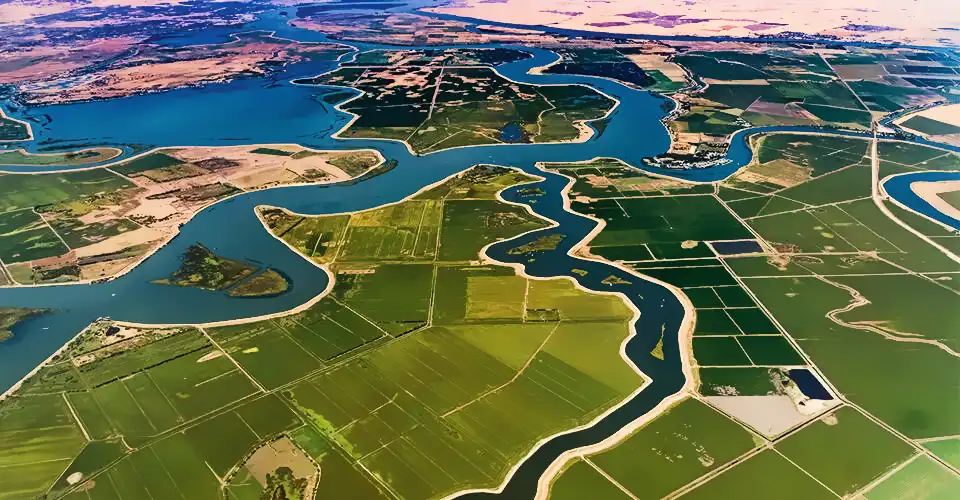
The filing targets the state’s broader water management strategy tied to the proposed Delta Conveyance Project, a 45-mile underground tunnel designed to divert water from the Sacramento River around the Sacramento-San Joaquin Delta to supply cities and farms across California.
Tribal Concerns Over River Flows and Cultural Impacts
Coalition members argue the draft water plan weakens enforceable river flow standards needed to sustain the Delta ecosystem and protect endangered fish species, including Chinook salmon.
Tribal leaders also contend the state has not adequately consulted tribes or protected tribal beneficial uses tied to fisheries, cultural resources, and sacred ancestral sites.
“The state’s proposal fails to meaningfully address tribal rights and the health of the Delta ecosystem,” coalition representatives said in a joint statement, adding that increased water diversions could further degrade the estuary and accelerate salmon population declines.
The coalition also criticized California’s reliance on voluntary water-sharing agreements with agricultural interests rather than binding regulatory standards.
Opponents say the voluntary approach represents “a back door attempt” to weaken environmental protections embedded in the state’s water quality framework.
Legal and Financial Obstacles Continue
The regulatory challenge comes amid growing legal strain surrounding the Delta Conveyance Project.
In January 2026, a California appeals court ruled the state lacks authority to issue revenue bonds to finance the project, creating a major funding hurdle for the estimated $20 billion tunnel.
The project is also facing ongoing regulatory scrutiny. On Feb. 26–27, the Delta Stewardship Council held hearings addressing ten separate appeals challenging whether the tunnel complies with state Delta protection laws.
Meanwhile, the Legislative Delta Caucus and several Delta counties and cities continue to oppose efforts by Newsom’s administration to accelerate the project through budget legislation.
State Says Project Is Critical for Water Security
Supporters of the tunnel argue the project is essential for protecting California’s long-term water supply.
The Delta Conveyance Project would modernize the state’s aging California State Water Project, which supplies drinking water to about 27 million people and irrigates roughly 750,000 acres of farmland.
A 2024 benefit-cost analysis concluded the project could return about $2.20 in benefits for every dollar spent.
State officials say the tunnel would improve climate resilience by capturing water from powerful atmospheric river storms and protecting the state’s water system from earthquake-related levee failures in the Delta.
Water managers also say the project could reduce reliance on pumping in the southern Delta, which has long been blamed for harming migrating fish populations.
Local Tribes Continue to Raise Concerns
For tribes with ancestral ties to the Delta watershed, however, the issue goes beyond water management.
The Shingle Springs Band of Miwok Indians and other tribal governments say the state must prioritize cultural protection, tribal sovereignty, and ecosystem restoration before advancing major infrastructure projects that could reshape California’s largest estuary.
As regulatory challenges continue, the fate of the Delta Conveyance Project remains uncertain, with years of permitting, litigation, and financing questions still ahead.