Shot on the Job: California advances bill to protect utility workers after PG&E shooting in Camino
EL DORADO COUNTY, Calif. — A shooting in the small foothill community of Camino is now reverberating at the state Capitol, where lawmakers are advancing new protections for utility workers following an incident that left a Pacific Gas & Electric lineman and two sheriff’s deputies wounded.
The California State Senate Public Safety Committee on Tuesday unanimously approved Senate Bill 1330, authored by Jesse Arreguín, a Democrat from Oakland. The proposal would expand legal protections for utility workers and others maintaining critical infrastructure, placing them in a protected class similar to certain public safety personnel.


Under the bill, assaulting a utility worker while they are performing official duties could carry penalties of up to one year in county jail, a fine of up to $2,000, or both.
Shooting in Camino
The legislation follows a March 12 shooting in Camino, where PG&E lineman Will Lajocies was shot at close range while working in the field, according to authorities and family members. His brother, who was present at the time, narrowly avoided being struck.
Lajocies, a Pollock Pines resident and father of two, remains in recovery. Family members say he is the primary provider for his household, which includes a child with severe special needs, and now faces mounting financial strain.
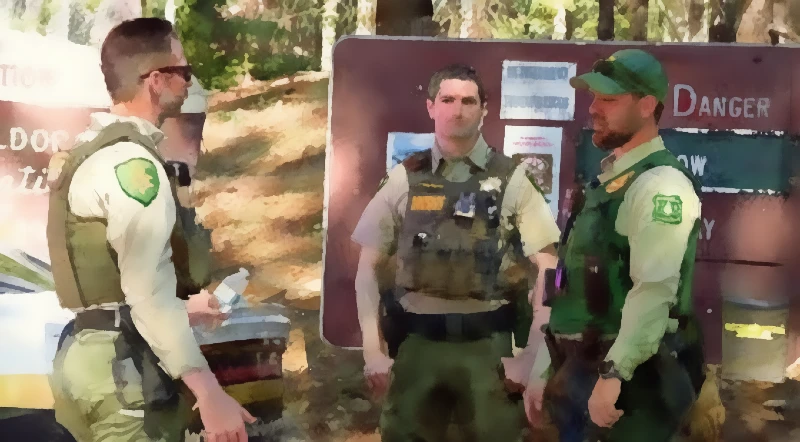
Responding deputies from the El Dorado County Sheriff’s Office were also injured in an exchange of gunfire with the suspect. Officials said all victims sustained non-life-threatening injuries and were transported for medical care.
The suspect, identified as Steven Carter, is expected to return to court later this week for further arraignment proceedings.
A growing concern statewide
Supporters of SB 1330 say the Camino incident underscores a broader pattern of increasing threats against utility workers across California. Since 2024, more than 450 threats or acts of violence have been reported statewide, according to testimony presented to lawmakers.
“Utility workers are frontline essential workers who are increasingly — and sadly and unacceptably — becoming the victims of crimes and assaults while just doing their job,”
Arreguín said during the hearing.
Workers who testified described encounters that escalated beyond routine service calls.
Jill Long, a Sacramento-area utility worker, recounted being trapped on a customer’s property during an inspection.
“I had a customer keep me trapped in his backyard against my will. It was frightening and unacceptable,” Long said. “He had cameras everywhere and wouldn’t let me out.”
Another worker, Luis Araújo Sanchez of San Diego Gas & Electric, told lawmakers he had been both verbally and physically assaulted while working.
What happens next
The bill passed the committee on a 6-0 vote with bipartisan support and now moves to the Senate Appropriations Committee, where lawmakers will evaluate its fiscal impact before a potential full Senate vote.
Back in El Dorado County, the Camino shooting continues to ripple through the tight-knit foothill communities where utility crews are a common presence, particularly in wildfire-prone areas where infrastructure maintenance is critical.
For supporters, the legislation is as much about deterrence as accountability — ensuring those who keep the lights on can do so without fear.