El Dorado Drive-In: A Highway 50 Landmark That Defined an Era
PLACERVILLE, Calif. — Long before multiplex theaters and streaming services reshaped how Americans watched movies, a stretch of Highway 50 west of Placerville was home to a distinctly local institution: the El Dorado Drive-In.
Originally opened as the Se Rancho Drive-In on Dec. 15, 1949, the theater was built on a former pear orchard and operated under the management of Vic Banta. Early advertisements emphasized its independence, declaring, “home-owned and NOT connected with ANY chain,” a message that reflected both local pride and competition at the time from larger theater operators reportedly eyeing the region.

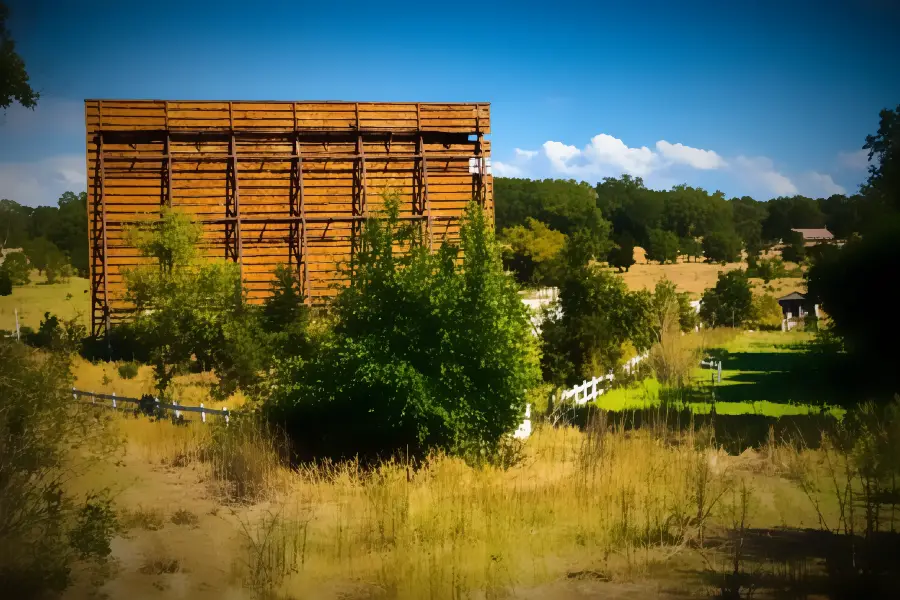
Situated roughly five miles west of Placerville along the original alignment of Highway 50, the drive-in quickly became a community gathering point. Families and couples parked beneath the open sky, watching films projected onto a 100-by-40-foot screen. In its early years, the theater introduced in-car heaters—an innovation that allowed year-round operation in the Sierra foothills’ cooler months.
By Oct. 3, 1954, the Se Rancho had adopted emerging film technology, screening its first CinemaScope feature, signaling its effort to keep pace with industry advancements.
Following Banta’s death, the property changed hands. On May 5, 1976, new owners Jerry and Aria Toler—who also operated the Empire Theatre on Main Street—renamed the venue the El Dorado Drive-In. Under their leadership, the theater continued to operate as a seasonal staple, offering weekend screenings and maintaining its nostalgic appeal.
“It wasn’t just about the movies,” one longtime resident recalled in local accounts. “You’d hear cows in the distance, kids playing before the show—it was part of growing up here.”
Built Along the Old Highway 50
The drive-in’s location was no accident—it was strategically positioned along the original two-lane Highway 50, which, prior to the mid-1950s, carried travelers directly through the heart of El Dorado County communities.
To the west of the theater, that original highway followed what is now known as Mother Lode Drive. The drive-in itself sat near the intersection of El Dorado Road and Mother Lode Drive, placing it squarely along a well-traveled corridor.
From that point, the roadway continued east toward Placerville, eventually transitioning into what is today Placerville Drive. At the time, motorists heading to town or Sacramento would have passed directly by the theater—making it a natural stop for entertainment.
The Freeway That Changed Everything
The construction of the El Dorado Freeway in the 1950s and 1960s marked a turning point—not only for transportation, but for local businesses like the drive-in.
The new four-lane U.S. Route 50 was built slightly to the north, bypassing the older surface streets that once carried steady, slow-moving traffic past the theater. While the El Dorado Drive-In remained visible from the freeway, it was no longer part of the primary route where drivers might spontaneously stop.
This shift in traffic patterns gradually reduced the drive-in’s exposure, coinciding with broader cultural changes. The rise of indoor multiplexes, including the nearby Placerville Cinema 4 complex, further accelerated its decline.
By 1985, the El Dorado Drive-In had reduced operations to weekends only. Newspaper listings indicate the theater was still showing films as late as August 1988. By January 1989, classified advertisements listed the property for sale at $225,000, marking the end of its run.
Traces of the Past Still Remain
Though the drive-in itself is gone, its geographic footprint remains embedded in the modern landscape. Motorists today can still trace the old alignment of Highway 50 by traveling along Mother Lode Drive and Placerville Drive—routes that continue to parallel the freeway and serve as vital local thoroughfares.
The drive-in served the community for nearly four decades, leaving behind a legacy rooted in shared experience and small-town culture. Though the screen reportedly stood for years after closure, the site itself has long since faded into memory—another chapter in El Dorado County’s evolving story.