County directs staff to issue direct payments and set up claims process; refunds to current record owners for fees paid 2014–2016.
By Cris Alarcon — Placerville, Calif., Dec. 6, 2025.
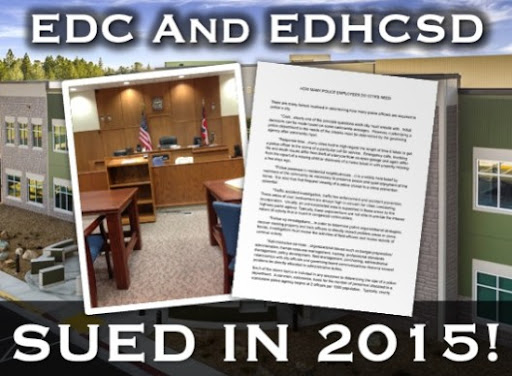
El Dorado County supervisors on Tuesday set in motion the long-awaited refund of traffic impact fees following a decade of litigation that began when Thomas and Helen Austin challenged the county’s compliance with California’s Mitigation Fee Act.


At the Board of Supervisors meeting Dec. 2, the board voted — with Supervisors Brian Veerkamp, Lori Parlin, Brooke Laine and George Turnboo in favor and Supervisor Greg Ferrero absent — to direct county staff to issue partial refunds by direct payment to the current record owners of eligible parcels identified on the last equalized assessment roll (Aug. 20, 2025), and to design a claims process to facilitate distribution. The direction requires payments to be prorated based on the relationship between fees paid on a parcel and the settlement fund.
The settlement, executed earlier this autumn and publicly announced by the county in October, resolves Thomas and Helen Austin v. County of El Dorado and related claims against two special districts. The agreement calls for the county to pay roughly $9.5 million in traffic impact fee refunds and about $5.22 million in attorneys’ fees; the Austins will receive a $50,000 stipend. County materials estimate the total settlement exposure at approximately $14.77 million.
County Counsel David Livingston told supervisors the county recommends direct payments because they “are most consistent with people’s expectations when they hear the term refund,” and are likely to be the fairest way to get money to eligible claimants. Livingston warned, however, that the remedy is tied to current record ownership: refunds will go to the owner of record on the assessment roll regardless of whether that owner originally paid the fee. “The remedy in this case is not based on an actual injury incurred,” he said.
The court-determined window for recoverable fees runs from Dec. 2, 2014, through Nov. 15, 2016. Livingston said refund amounts will vary by parcel and that county staff estimates many claimants will receive roughly 70% of the fees originally paid after proration and application of the settlement terms — though he prefaced that estimate with several caveats. The county intends the forthcoming claims process to include owner verification steps to reduce errors and fraud, and to ensure checks are cashed. “Getting some positive verification from the eligible claimants … will be an important step in that,” Livingston said.
Supervisor Veerkamp, who sat on the board when the Austins originally filed suit, expressed frustration. He described the result as “unfortunate,” lamenting the effect on the county’s Road Fund and saying, “the winners are attorneys.” Supervisor Parlin cautioned that the outcome — while procedural in nature — will affect road projects and county infrastructure planning. She noted the legal discussion around an apology and said an apology could imply harm, a point of contention at the meeting.
The El Dorado Hills Community Services District and the El Dorado Hills Fire Department — the other agencies named in the litigation — reached separate settlements with the plaintiffs earlier in the process. The county’s draft Frequently Asked Questions document and board materials say more than 1,800 parcels may be eligible for partial refunds; staff will return to the board in about six months with a status update on the refund implementation.
Diamond Springs resident Kris Payne urged the board to include an apology to those improperly charged after a decade of litigation; the board discussed legal implications but did not adopt an apology. County officials emphasized the administrative challenge ahead: identifying eligible parcels, verifying ownership and disbursing prorated refunds while safeguarding against fraud and limiting disruption to transportation funding.
What comes next
County staff will draft and publish the formal claims process and FAQs, notify property owners identified as potentially eligible, and implement verification steps designed to ensure payments reach the correct recipients. The board directed staff to return with a status update in roughly six months. Officials say timing and per-parcel payment amounts will depend on the claims process and the final accounting required under the settlement agreements.