EL DORADO COUNTY, Calif. — A series of December storms delivered a welcome dose of snow to the Sierra Nevada, but early measurements show the region’s snowpack remains significantly below average as California enters the heart of winter.
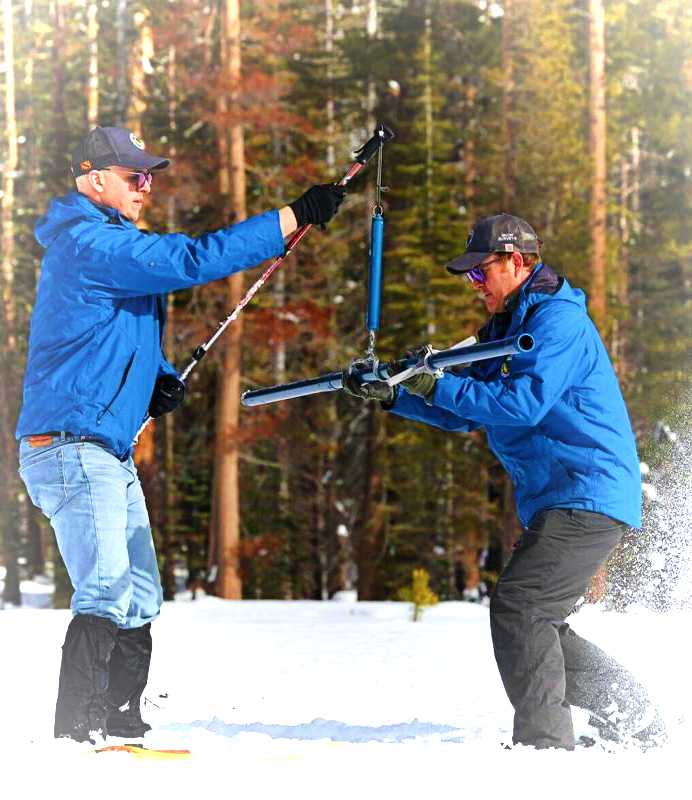
The California Department of Water Resources (DWR) conducted the season’s first manual snow survey on Dec. 30 at Phillips Station, a key monitoring site along U.S. Highway 50 near Echo Summit. Surveyors measured 24 inches of snow depth with a snow water equivalent of 5 inches — about 50% of the historical average for the location.


Snow water equivalent, or SWE, is a critical metric that estimates how much water the snowpack will produce when it melts, supplying rivers, reservoirs, farms and communities throughout the state, including El Dorado County.
“While these December storms helped get the snow season started, the snowpack is still well below where we would typically expect it to be at this point in the winter,” DWR said in a statement summarizing the survey results.
Phillips Station has served as a benchmark for California’s water outlook since the 1940s and is closely watched by water managers, hydrologists and local agencies. Conditions at the site often provide an early indicator of how the broader Sierra snowpack may perform later in the season.
For El Dorado County, the findings underscore both progress and uncertainty. Snowpack in the Sierra acts as the region’s largest natural reservoir, feeding the American River watershed and supporting municipal water supplies, agriculture and hydropower. A below-average start increases reliance on additional storms in January, February and March to close the gap.
DWR officials emphasized that the snow season is still young and that significant changes can occur in the coming months. Historically, some of the Sierra’s largest snow-building storms arrive after the new year.
Additional snow surveys are scheduled throughout the winter and spring, with statewide snowpack averages typically peaking around April 1. Updates and detailed data from the Phillips Station survey are publicly available through the Department of Water Resources.