FEMA Delays Stall Wildfire Mitigation Efforts in El Dorado County
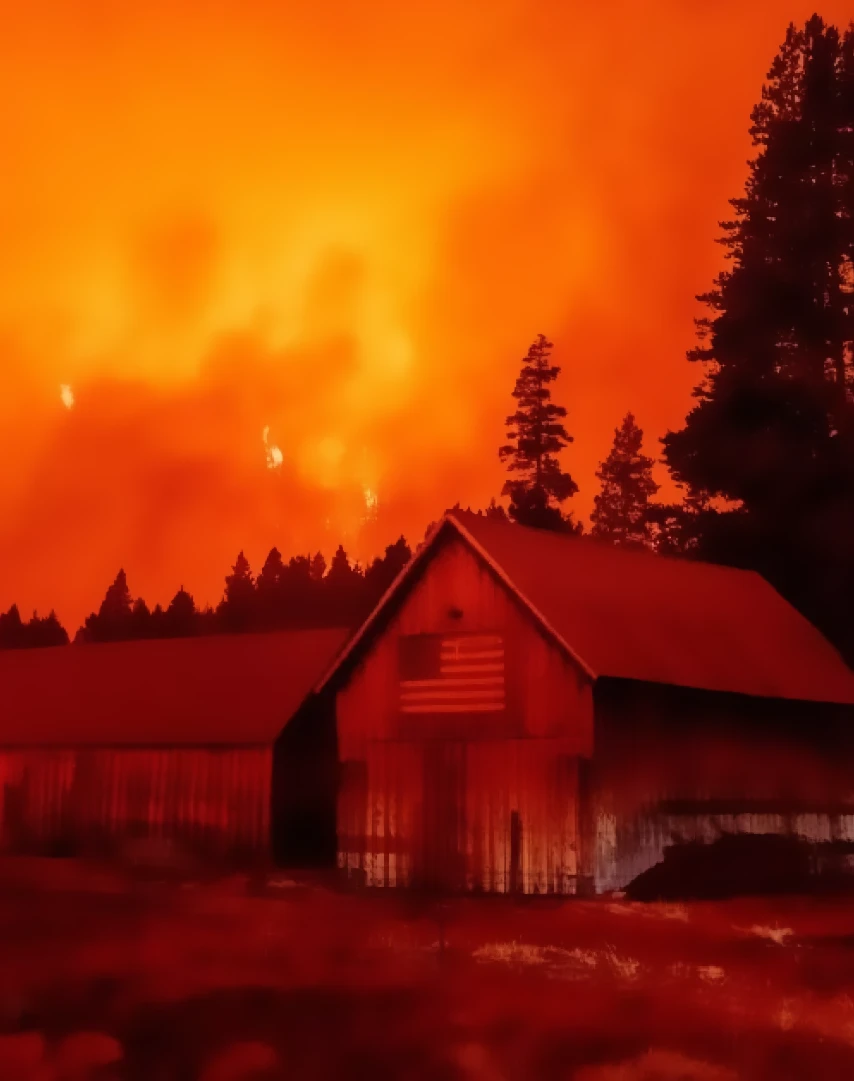
PLACERVILLE, Calif. — Nearly five years after the devastating Caldor Fire scorched tens of thousands of acres and forced mass evacuations across El Dorado County, a major wildfire prevention project designed to protect local homes remains stalled in a federal funding backlog.
County officials say a $25 million initiative aimed at retrofitting more than 500 homes in and around Placerville has been delayed for over a year while awaiting approval from the Federal Emergency Management Agency. The project, known locally as the Weber Creek Project, would help homeowners install fire-resistant materials and create defensible space — measures widely recognized as critical in reducing wildfire risk.


“It’s a perfect storm for devastation,”
said Tanya Harlow, El Dorado County’s wildfire resilience officer, citing the region’s dry vegetation, steep terrain and aging wood կառուցed homes.
A Community at Risk
Placerville sits in California’s wildland-urban interface, where dense जंगल and residential development meet. The area’s hot, dry summers and heavy fuel loads make it especially vulnerable to fast-moving fires.
Local resident Adele Montgomery, who has lived in the area for more than four decades, said wildfire risk was not a concern when she first built her home. Today, it is front of mind.
“They say if a fire starts behind us, it’ll go straight down into the city,” Montgomery said, describing the thick tree cover surrounding her property.
Montgomery has already cleared brush and trimmed trees, but her aging wooden deck remains a major hazard. Through the county’s program, she qualifies for up to $40,000 in upgrades, including deck removal and installation of fire-resistant materials.
“It’s a lot of money to come up with when you’re retired,” she said. “I’m so ready. The deck is really a problem in my mind.”
Federal Backlog Creates Local Gridlock
Despite FEMA approving the project in 2023, county officials say progress halted after submitting a required environmental review in early 2025. More than a year later, the agency has yet to respond.
The delay is part of a broader national backlog. According to internal documents obtained by NPR, FEMA owes nearly $10 billion to communities across the country, much of it tied to disaster recovery and mitigation projects.
Emergency managers warn the slowdown is straining local budgets and delaying projects designed to reduce future disaster losses.
“We’re just at a standstill,”
said Pam Bates of the Shasta County Fire Safe Council, which is facing similar delays.
“We’re all very, very frustrated with the inability to do the work that desperately needs to be done.”
Policy Changes and Administrative Bottlenecks
The backlog coincided with a 2025 policy requiring additional federal review for grants exceeding $100,000, implemented under the Department of Homeland Security. Though the policy has since been rescinded, most delayed funding has yet to be released.
FEMA has not publicly explained the slowdown but has acknowledged processing delays in recent months. The agency has also faced staffing shortages and broader policy shifts regarding disaster response.
Andrew Rumbach, a disaster policy expert with the Urban Institute, said the delays can force local governments into difficult financial decisions.
“That creates all kinds of challenges,”
Rumbach said.
“States may have to cut other programs just to cover these costs.”
The Cost of Waiting
Experts emphasize that proactive wildfire mitigation saves money and lives. Research consistently shows that every dollar spent on prevention reduces long-term disaster recovery costs.
El Dorado County’s project was designed as a model for community-wide resilience — a strategy that depends on widespread participation.
“Real resilience is at the community level,”
Harlow said.
“If one home does everything right but the neighbors don’t, the chances of survival drop.”
For now, that community-wide effort remains on hold as another wildfire season approaches.