Old Tom Allen’s Saloon: A Gathering Place for James Marshall in Gold Rush-Era Kelsey
KELSEY, Calif. — Long before the crowds disappeared and the mining camps faded into history, the small community of Kelsey was one of the busiest centers of activity in the California Gold Rush. Among its many businesses stood Tom Allen’s Saloon, a popular gathering place that became closely associated with one of California’s most famous pioneers: James Wilson Marshall.
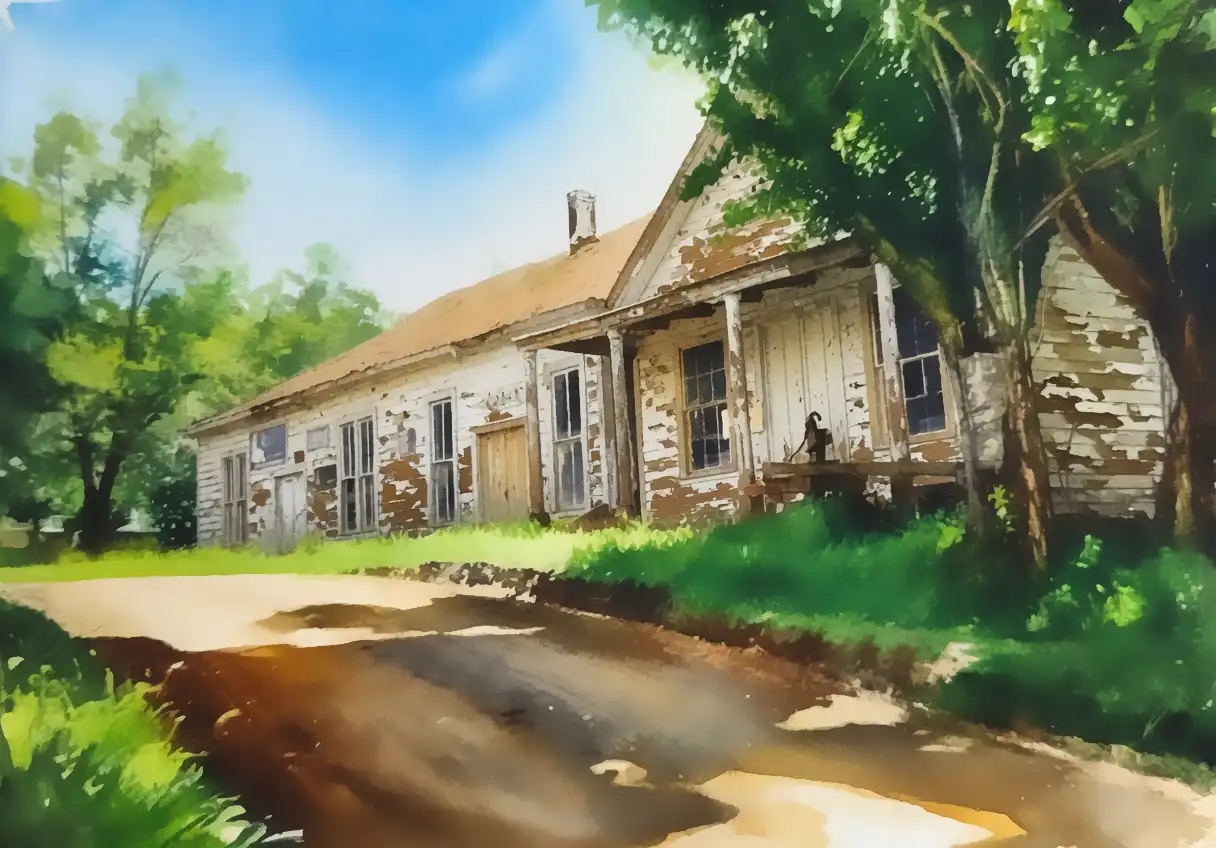
A historic photograph of the saloon carries a handwritten note on the back that reads:
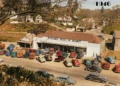
“Old Tom Allen’s saloon at Kelsey, where James Marshall and his friends spent their mornings in cards, debates, and politics. — Martin”
The simple inscription offers a glimpse into the daily life of Marshall, the man whose discovery of gold at Sutter’s Mill on Jan. 24, 1848, triggered one of the largest migrations in American history.
Marshall’s Life in Kelsey
After years of unsuccessful mining ventures and financial hardship, Marshall settled in Kelsey around 1868. Located just a few miles northeast of Coloma—the site of his world-changing discovery—Kelsey became the place he considered home during the final years of his life.
Residents remembered Marshall as a familiar figure in town. He operated a blacksmith shop, lived modestly, and regularly spent his mornings at Tom Allen’s Saloon. There, he joined local miners, merchants and townspeople for card games, spirited debates and discussions about politics.
Though Marshall’s discovery transformed California and generated immense wealth for others, he never shared in the fortune created by the Gold Rush. His later years were marked by financial struggles, making the camaraderie found at local establishments such as Tom Allen’s Saloon all the more significant.
A Saloon at the Heart of a Boomtown
Kelsey, originally known as Kelsey Diggings, was founded in 1848 by pioneer Benjamin Kelsey. The settlement quickly became one of the region’s most productive placer mining districts.
At its peak, the town reportedly supported more than 3,000 residents. Its commercial district included six hotels, a dozen general stores and approximately 24 saloons serving miners working nearby camps such as Yankee Flat, Irish Creek and Fleatown.
Among those establishments, Tom Allen’s Saloon earned a lasting place in local history because of its association with Marshall.
“The building serves as an important reminder of Marshall’s final years and the social life that existed in the mining camps long after the initial gold rush excitement had faded,” according to historical documentation preserved through archival records.
Lost to Time
Like many Gold Rush-era structures, Tom Allen’s Saloon did not survive into the modern era. The building was demolished during the early 20th century as Kelsey’s population declined and many of its original wooden structures disappeared.
Today, the saloon exists only in photographs, local histories and archival documentation. Historic records preserved through the federal Historic American Buildings Survey have helped ensure that the memory of the building remains available to researchers and historians.
While visitors can no longer step inside the saloon where Marshall spent countless mornings, its story remains intertwined with the history of Kelsey and the legacy of California’s Gold Rush.
Preserving Local History
For El Dorado County residents, the story of Tom Allen’s Saloon offers more than a nostalgic look at a vanished building. It serves as a reminder that some of the region’s most important historical sites were not grand monuments, but everyday places where miners, merchants and pioneers gathered to share ideas, friendships and community.
In the case of James W. Marshall, the discoverer whose name became synonymous with the California Gold Rush, Tom Allen’s Saloon was one of those places.
Though the building is gone, its connection to one of California’s most influential historical figures ensures it remains an enduring part of El Dorado County’s story.
Sources
- Historic American Buildings Survey (HABS), James W. Marshall House, Kelsey, California.
- Historical accounts of Kelsey Diggings and James W. Marshall’s later years.
- Local historical archives and Gold Rush-era records from El Dorado County.