Northern California Wine Industry Faces Historic Shift
EL DORADO COUNTY, Calif. — Northern California’s wine industry is navigating one of its most challenging periods in decades as wineries confront declining consumer demand, rising operating costs and increasingly unpredictable weather patterns.
For generations, California has produced roughly 80% of America’s wine, with Napa Valley, Sonoma County and the Sierra Foothills becoming internationally recognized wine destinations. Today, however, many vineyard owners are removing vines, selling land or transitioning to different agricultural uses after several years of declining profitability.
Industry analysts point to several factors driving the downturn.


Americans Are Drinking Less Wine
Perhaps the most significant trend is changing consumer behavior.
Wine consumption in the United States has declined in recent years as younger adults increasingly choose craft beer, ready-to-drink cocktails, hard seltzers, cannabis products and non-alcoholic beverages over traditional wine. Health-conscious consumers are also reducing alcohol intake.
The result has been slowing sales despite years of vineyard expansion.
Too Much Wine, Not Enough Buyers
California vineyards planted aggressively during years of strong demand.
When consumer purchases slowed, wineries were left with excess inventory. Many growers found themselves unable to sell grapes at prices sufficient to cover production costs.
Several vineyards have since removed thousands of acres of vines to reduce oversupply and stabilize grape prices.
Climate Change Is Increasing Financial Risk
Northern California growers have also faced repeated environmental challenges.
Recent years have brought:
- Severe drought
- Extreme heat waves
- Wildfire smoke exposure
- Late spring frosts
- Water shortages
- Unpredictable growing seasons
Smoke taint remains one of the industry’s greatest concerns. Even vineyards untouched by flames can suffer quality losses if grapes absorb smoke compounds during wildfire events.
Many Sierra Foothill vineyards—including those in El Dorado County—have firsthand experience with wildfire disruptions following major fires such as the Caldor Fire in 2021.
Rising Costs Continue to Climb
Operating a vineyard has become substantially more expensive.
Growers report increases in nearly every category:
- Labor
- Fuel
- Fertilizer
- Glass bottles
- Corks
- Insurance
- Equipment
- Water
- Transportation
Insurance costs have become especially burdensome in wildfire-prone regions of Northern California.
Smaller family-owned wineries often have fewer financial reserves than larger corporate producers, making them particularly vulnerable to prolonged economic downturns.
Impact on El Dorado County
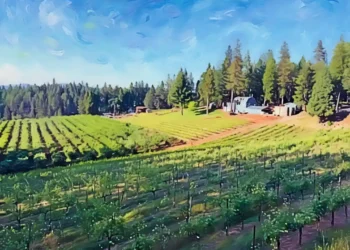
While El Dorado County’s wine industry differs from Napa or Sonoma in scale, local wineries are not immune.
The county’s vineyards are known for premium Rhône varieties, Zinfandel, Barbera, Cabernet Sauvignon and other mountain-grown wines. Many rely heavily on wine tourism, tasting rooms and direct-to-consumer sales rather than large wholesale distribution.
That business model provides some resilience, but slowing tourism, inflation and cautious consumer spending have still affected sales for many local producers.
Wine events, harvest festivals and weekend tourism remain important economic drivers for communities including Placerville, Camino, Fair Play and Somerset.
Experts See Adaptation Rather Than Decline
Industry organizations say California wine is unlikely to disappear, but the industry is entering a period of adjustment.
Growers are experimenting with:
- Drought-tolerant grape varieties
- Water conservation technologies
- Regenerative farming practices
- Expanded wine club memberships
- Agritourism
- Food and event experiences
- Premium small-lot wines
Many believe future success will depend less on producing larger quantities of wine and more on creating higher-value experiences for visitors.
As Wine Institute President and CEO Robert P. Koch has previously noted, California wineries continue investing in sustainability and innovation even as market conditions evolve.
For El Dorado County, whose vineyards have become an increasingly important part of the local economy and tourism industry, the coming years will likely test how well smaller wineries can adapt to a rapidly changing marketplace while preserving the agricultural heritage that has helped define the Sierra Foothills.
Sources
- California Department of Food and Agriculture
- U.S. Department of Agriculture
- Wine Institute
- Silicon Valley Bank State of the Wine Industry Report
- University of California Agriculture and Natural Resources