
Rattlesnake Season Returns to El Dorado County Foothills
As summer temperatures climb across El Dorado County, wildlife officials and medical experts are reminding residents that rattlesnake season is in full swing throughout the Sierra Nevada foothills.
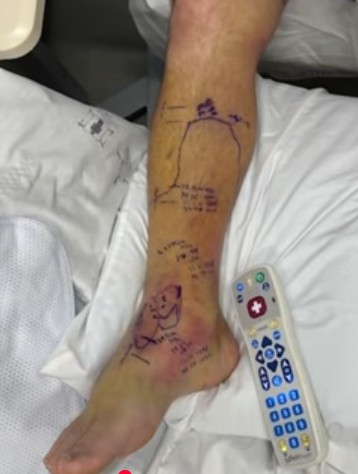
The warning comes after Northern California resident Chris Howard spent nearly two weeks in intensive care following a rattlesnake bite while helping family with yard work near Oroville. His experience underscores a danger that extends well beyond hiking trails and into backyards, gardens and rural properties.


Howard initially believed he had been pricked by a thorn while investigating what he thought was a broken water line in his mother’s garden. Instead, he had been bitten by a rattlesnake concealed in the vegetation.
“I think I got it twice because that fang went in and then out again,” Howard said in a television interview. “It almost felt like getting your blood drawn.”
His father soon spotted the snake.
“It was shaking its tail, but it wasn’t really making any noise.”
Howard’s condition rapidly deteriorated during the drive to the hospital.
His wife, Jenny, said he began experiencing numbness and tingling in his mouth before his condition worsened significantly.
Howard spent six days in intensive care at Oroville Hospital before being airlifted to Stanford Hospital, where he remained another six days. During his treatment, physicians administered 54 vials of antivenom and multiple blood transfusions.
Six weeks later, Howard said he has recovered to roughly 80%, although he continues to experience swelling, soreness and fatigue.
“My leg is still kind of sore and tender and still swells,” Howard said. “I barely got able to tie my shoe just a few days ago.”
A Familiar Risk in El Dorado County
Howard’s ordeal is particularly relevant for residents of El Dorado County, where the Northern Pacific rattlesnake is endemic throughout the lower elevations of the Sierra foothills.
From El Dorado Hills and Cameron Park to Rescue, Shingle Springs, Placerville, Pollock Pines and many rural communities in between, rattlesnakes commonly inhabit:
- Rock outcroppings
- Woodpiles
- Brush-covered hillsides
- Creek corridors
- Tall grass
- Garden beds
- Rural residential landscapes
As daytime temperatures rise into the 90s and triple digits, snakes often become active during the cooler morning and evening hours. They may also seek shade around homes, irrigation systems, landscaping and outbuildings.

Wildlife experts note that rattlesnakes typically avoid humans and strike only when surprised, cornered or stepped on.
What To Do If You’re Bitten
Medical professionals stress that every suspected rattlesnake bite should be treated as a medical emergency.
Dr. Rafa Lima, an emergency physician interviewed about Howard’s case, warned against relying on outdated first-aid myths.
“If you’re bitten by a snake, especially one we suspect has venom, you should really just get care immediately.”
He cautioned against attempting to cut the wound, suck out venom or apply a tourniquet.
“All that does is delay the time you get treatment,” Lima said. “The longer the amount of time the venom is in the tissue, the worse the prognosis.”
Instead, health officials recommend:
- Call 911 immediately.
- Keep the victim calm and limit movement.
- Remove rings, watches or tight clothing before swelling begins.
- Keep the bitten limb at or slightly below heart level if possible.
- Do not cut the wound.
- Do not attempt to suck out venom.
- Do not apply ice or a tourniquet.
- Get to the nearest emergency department as quickly as possible.
California Seeing Early Snake Activity
According to the California Poison Control System, the agency has already received 77 rattlesnake-related calls this year, with experts reporting encounters are occurring earlier and more frequently than is typical during the season.
While most bites are not fatal when treated promptly, venom can cause severe tissue damage, internal bleeding, nerve injury and life-threatening complications if medical care is delayed.
Staying Safe Outdoors
For El Dorado County residents spending time outdoors this summer, experts recommend wearing sturdy boots and long pants when working in overgrown areas, using gloves while gardening, checking beneath rocks and debris before reaching with your hands, and keeping yards free of brush and rodent habitat that can attract snakes.
Howard says his experience changed his perspective.
He had always associated rattlesnakes with hiking trails.
Now, he knows gardens can be just as dangerous.
With the hottest weeks of summer still ahead, local emergency officials encourage residents to stay alert whenever working or recreating outdoors in the foothills.
Sources: California Poison Control System; televised interview with Chris Howard and family; emergency physician Dr. Rafa Lima; California Department of Fish and Wildlife guidance on rattlesnake safety.