
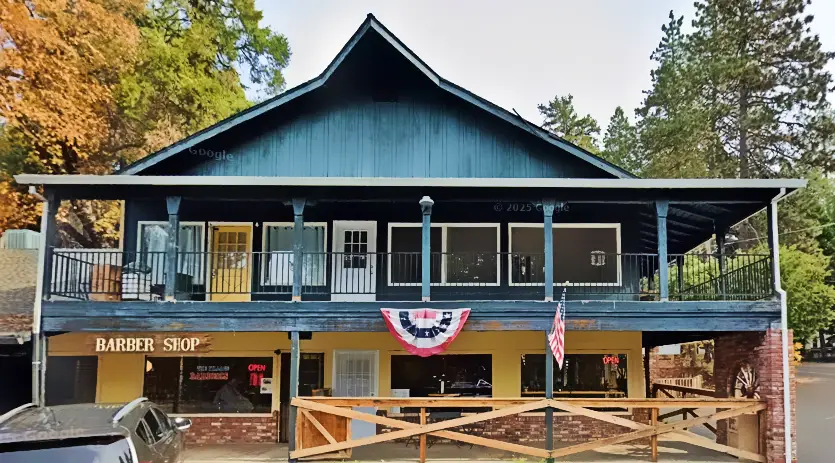
POLLOCK PINES, Calif. — El Dorado County is preparing to bring residents into a discussion about the future appearance of nine mountain communities, with a kickoff meeting scheduled for Thursday, Nov. 12, as officials begin developing permanent design standards for new commercial, mixed-use and multifamily projects.
The meeting will introduce the Mountain Region Rural Centers design standards project, which covers communities stretching from Camino and Pollock Pines to higher-elevation areas such as Strawberry and Kyburz.


The initiative is part of a broader county effort that began in May 2026 to develop permanent design standards for new development across the county’s 29 Rural Centers. The county has divided the work into geographic design zones to account for differences in elevation, history and community character.
Nine communities included in the project
The Mountain Region project encompasses nine rural communities:
-
Camino
-
Cedar Grove
-
Grizzly Flat
-
Kyburz
-
Little Norway
-
Mount Ralston
-
Phillips
-
Pollock Pines
-
Strawberry
For residents, the process offers an opportunity to weigh in on how future development should fit within communities shaped by the Sierra Nevada foothills, mountain landscapes, rural settlement patterns and the region’s historic ties to transportation, timber and tourism.
The county’s broader design standards program also includes communities such as Georgetown, Cool-Pilot Hill and Pleasant Valley. Rather than applying one uniform design approach everywhere, the county is developing separate standards for geographic zones with distinct characteristics.
What the standards could mean for future development
The project focuses on new multifamily housing, mixed-use buildings and commercial development. The standards are intended to provide a framework for how those projects are designed, while reflecting the identity of the communities where they are built.
That makes the process relevant to residents concerned about how new buildings will fit into established rural centers, as well as property owners, business operators and developers who need to understand the requirements for future projects.
The county has previously described its community design standards work as a way to promote high-quality design, reflect local history and the existing built environment, provide clearer guidance for development and permitting, and support economic vitality.
In a March 26, 2026, county announcement concerning the separate El Dorado and Diamond Springs design standards process, Supervisor Brian Veerkamp emphasized the importance of public participation.
“We need residents of El Dorado and Diamond Springs to weigh in on the draft standards to ensure they are what the public wants to see in the final product,” Veerkamp said.
Although that statement addressed a different geographic area, it underscores the county’s stated approach to community input as it develops design standards across the county.
Public participation will be important
The Nov. 12 kickoff is an opportunity for mountain-region residents to learn about the project and how they can participate as the standards take shape.
Key questions for residents include how the county will define design characteristics appropriate to the mountain communities, how much flexibility property owners will retain, and how the final standards will affect the review of future commercial, mixed-use and multifamily proposals.
Residents may also want clarification on the project’s timeline, opportunities to review draft standards, and whether a stakeholder advisory group or additional community workshops will be part of the process.
The county’s official Rural Center Community Design Standards project page is the primary source for project updates and participation information.
Meeting details: Thursday, Nov. 12, 2026, in Pollock Pines. The meeting time, specific venue and registration or participation instructions were not confirmed in the available information reviewed for this article. Residents should check the county’s project page for the latest details before attending.
As the county advances its work across the Rural Centers, the mountain-region process will give residents of these nine communities a chance to help shape the standards that guide the appearance of future development in their hometowns.