By Cris Alarcon, InEDC Writer. May 6, 2026
A crowded public forum in Lotus brought sharp contrasts into focus for voters in El Dorado County’s District 4 supervisor race, as three candidates laid out competing visions for how the region should grow—or resist growth—amid mounting pressure from housing shortages, tourism shifts, and state policy demands.


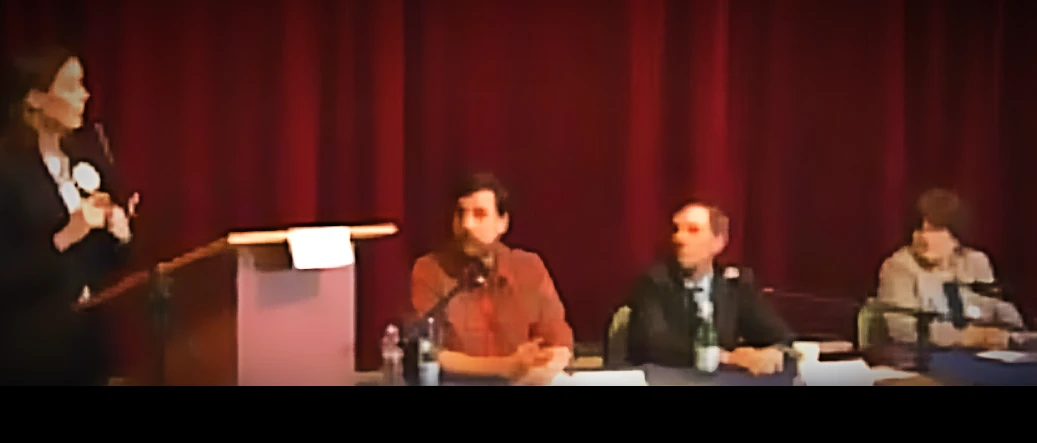
The discussion, hosted by the League of Women Voters and held at Goodwin Hall TV, featured Gina Posey, Robert “Bob” Deitz, and Greg Clark. Over the course of the evening, the candidates addressed public participation in government, short-term vacation rentals, economic development, youth retention, infrastructure, and the county’s long-term identity.
District 4 spans the western slope communities including the Divide, Coloma-Lotus, Georgetown, and portions of the Highway 50 corridor—areas where rural character, recreation economies, and development pressures increasingly collide.
Public access and government transparency
A recurring point of tension centered on how residents interact with county government.
Posey criticized recent procedural changes that limit public comment during Board of Supervisors meetings to a single general comment period at the start of meetings, rather than allowing input on individual agenda items.
She argued the change reduces meaningful participation.
“We, the public, should be the most important people in that room,” Posey said, adding that residents are often unable to respond to agenda items after hearing discussion.
Deitz also emphasized accessibility, arguing that supervisors must be physically present and responsive.
“My goal is to be that neighbor that has a plan,” Deitz said. “I will show up. I will work hard.”
Clark, who currently serves on the Gold Trail Union School District board, focused on governance experience and coalition-building.
“You can’t come in and be a bomb-thrower,” Clark said. “You have to know how to work with people and get votes.”
Growth, housing, and economic pressure
Economic development and housing affordability emerged as central issues across all three candidates, though their approaches differed.
Deitz warned that restrictive permitting and regulatory barriers are pushing businesses and jobs to neighboring counties.
“If it’s hard, it’s easy to go to Placer or Sacramento County,” he said. “I want to fix that.”
Clark emphasized workforce development and local job pathways tied to schools and internships, arguing that retaining young families requires aligning education with employment opportunities.
Posey pointed to housing availability and economic opportunity as key drivers of population loss among young residents.
“You want to keep our kids here? You’ve got to have jobs for them,” she said. “We are an aging population, and it’s a very big problem.”
Deitz noted personal experience with family members relocating to Reno for lower housing costs and stronger job markets, calling it a trend the county must address.
Tourism, VHRs, and county revenue
Vacation home rentals (VHRs) and tourism revenue were another focal point.
Deitz cited a decline in transient occupancy tax (TOT) revenue and argued the county is failing to capitalize on tourism potential.
He described lodging losses as a broader economic warning sign.
Posey focused on expanding tourism infrastructure while maintaining rural character, emphasizing recreation assets such as Apple Hill, the Rubicon Trail, and the South Fork American River corridor.
Clark warned that short-term rentals can strain housing availability while also supporting tourism.
“They can be a blessing and they can be a curse,” Clark said, noting impacts on rentals for seniors and first-time homebuyers.
Youth retention and community identity
All three candidates acknowledged a shared concern: younger residents are leaving the county.
Posey said high housing costs and insufficient benefits in public employment are contributing factors.
Clark, a lifelong resident, said he personally left to pursue education and career opportunities before returning.
“There just weren’t a lot of jobs here,” he said.
Deitz argued that economic expansion is necessary to keep families rooted in the region, pointing to construction and infrastructure jobs as examples of local opportunity.
He also emphasized long-standing community involvement, including youth sports, scouting, and public service.
“If you go to a school, a park, or an event in this county, I’ve probably been involved,” Deitz said.
Outdoor recreation and land use
The candidates broadly supported expansion of outdoor recreation infrastructure, including a proposed Lotus-to-Highway 49 bike and pedestrian path project.
Clark called it a valuable public investment.
“I would support it as a supervisor,” he said.
Posey supported the project as both a safety and tourism improvement.
Deitz, a longtime mountain biking coach, suggested additional roadway improvements to better accommodate cyclists and reduce conflict with vehicle traffic.
“We can make smart planning decisions to open outdoor areas to more people safely,” he said.
Closing messages: three visions for District 4
In closing remarks, each candidate framed the election as a defining choice for the county’s future.
Posey urged voters to preserve rural identity and resist suburban-style development.
“I want people to come here, experience it, and leave with something they never forget,” she said.
Clark emphasized experience in governance and collaboration.
“I understand what it means to live here, work here, and raise a family here,” he said.
Deitz focused on accessibility and responsiveness.
“I am not hard to find,” he said. “I will work for you.”
Context and what’s next
The District 4 supervisor race comes at a time when El Dorado County continues to balance tourism-driven revenue with housing shortages, infrastructure constraints, and state-level housing mandates.
The Board of Supervisors plays a central role in land use, development approvals, public safety funding, and economic policy across the county.
A recording of the forum is expected to be made available through League of Women Voters channels ahead of the June election cycle.
Voters can access ballot information through Vote411.org.