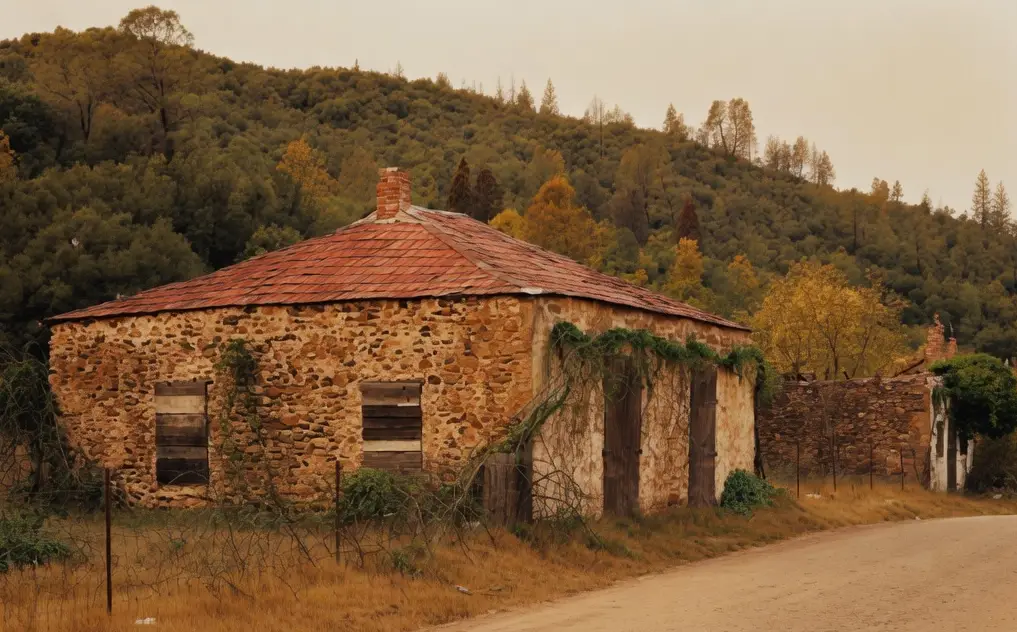
COLOMA, Calif. — Tucked along Main Street in Marshall Gold Discovery State Historic Park, two modest stone buildings stand as the last physical remnants of a once-thriving Chinese community that helped shape early El Dorado County.
Known today as the Chinese Store ruins, the Wah Hop and Man Lee buildings date back to around 1858, when they were constructed by local settler Jonas Wilder and leased to Chinese merchants during the height of the Gold Rush. Between 1850 and 1883, Coloma’s Chinatown grew into a vital hub, home to more than 200 residents—nearly 28% of the town’s population at its peak.


“These buildings are more than just ruins—they are a record of resilience and contribution,” according to interpretive materials provided by California State Parks. “They tell the story of a community that played a critical role in the region’s development but is often overlooked.”
The stores served multiple functions beyond retail. Historical accounts show they operated as social gathering points, informal banks, post offices, and apothecaries. The Wah Hop Store, now restored with a Chinese mercantile exhibit, once doubled as an assayer’s office, weighing gold and facilitating the return of miners’ remains to China. Nearby, the Man Lee Store housed a business that expanded into banking and mining ventures, reflecting the economic reach of Chinese entrepreneurs during the era.
The survival of these buildings is largely attributed to their stone construction. In 1883, a devastating fire swept through Coloma’s Chinatown, destroying the surrounding wooden structures and forcing most residents to leave. The Wah Hop and Man Lee stores endured, becoming the only standing witnesses to a vanished neighborhood.
A rare glimpse into the site’s earlier condition comes from a 1934 photographic survey conducted under the federal Historic American Buildings Survey program. Photographer Roger Sturtevant captured detailed images of the ruins, including a northeast-facing view that documented their structural integrity decades before restoration efforts began. These images, preserved in the Library of Congress, remain a key archival resource for historians.
Today, visitors can walk inside the Wah Hop Store to view recreated displays featuring herbal medicine drawers, traditional cooking elements, and trade goods reflective of daily life during the Gold Rush. Interpretive markers between the buildings commemorate the
“Chinese Miners of the Mother Lode,”
while the nearby Gam Saan Trail—named for “Gold Mountain”—further honors the contributions of Chinese immigrants to California’s early economy.
Located across from the Sutter’s Mill replica parking area along Highway 49, the site remains accessible year-round and continues to draw historians, tourists, and local residents interested in a fuller understanding of the region’s past.