By Cris Alarcon, InEDC Writer. Aug 6, 2026)
For many Northern California visitors, Apple Hill is synonymous with warm apple doughnuts, fresh cider and autumn weekends in Camino. But locals know the story extends well beyond orchards and pumpkin patches.
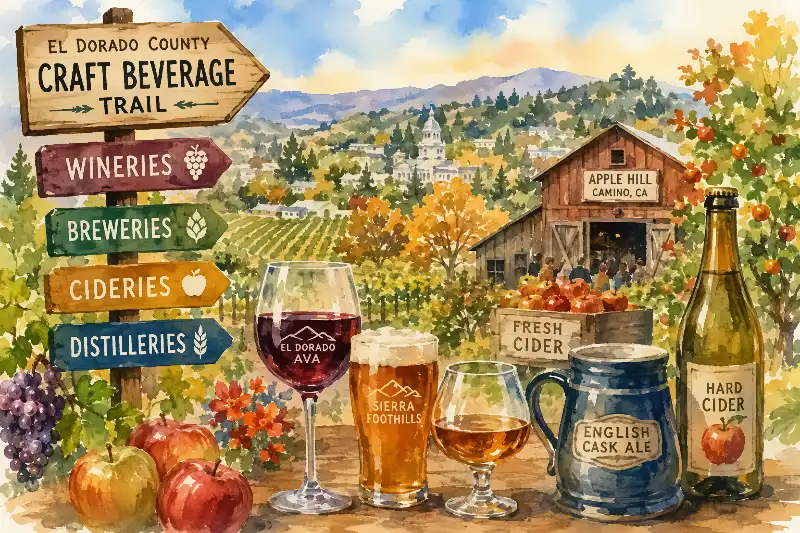
Running through Placerville, Diamond Springs and Apple Hill is the El Dorado County Craft Beverage Trail, a collection of 13 independently owned wineries, breweries, cideries and a distillery that share far more than a marketing campaign. Together, they represent a mountain agricultural region where farming comes first and beverages reflect the land that produced them.
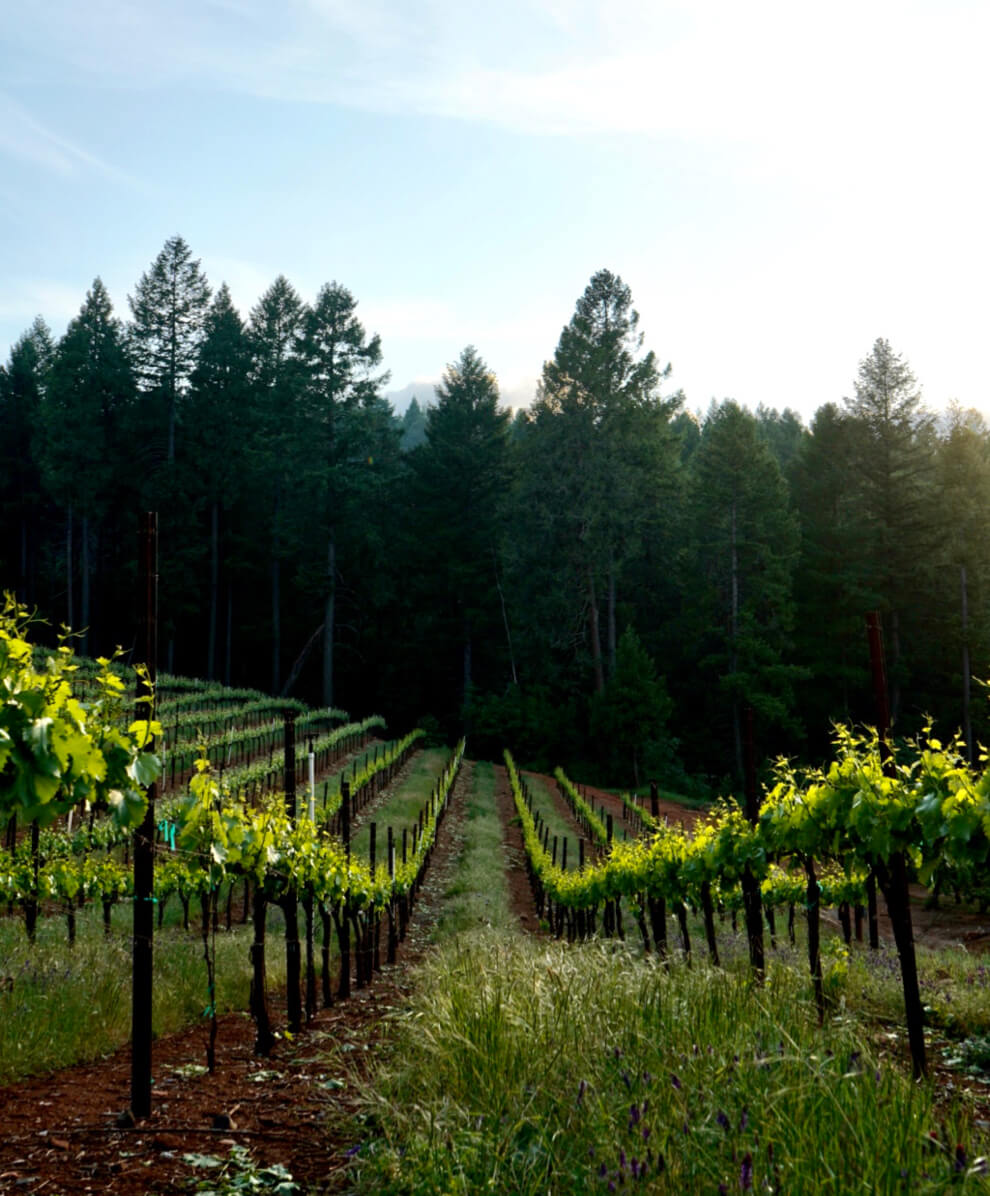
The trail, launched in 2015 by local producers and tourism partners, builds on a region with a much deeper history. The El Dorado American Viticultural Area (AVA) was federally established in 1983, recognizing the Sierra Foothills’ unique growing conditions, including elevations ranging from roughly 1,200 to more than 3,500 feet, volcanic and decomposed granite soils, and dramatic temperature swings between warm days and cool mountain nights.
Those conditions have made Rhône and Italian grape varieties—including Syrah, Barbera, Sangiovese, Zinfandel and Tempranillo—among the region’s strongest performers.
“Our beverages start with agriculture,” several producers emphasize through the trail’s guiding philosophy: the people behind these tasting rooms are farmers first and beverage makers second.
That philosophy is evident throughout the region.
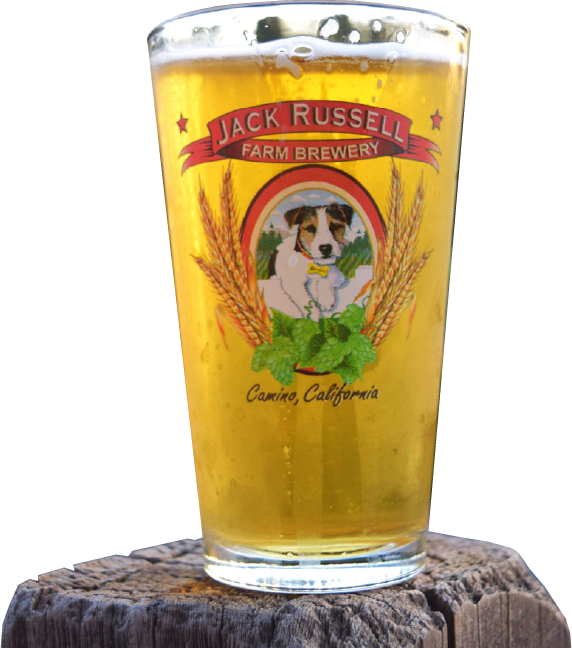
At Jack Russell Farm Brewery, traditional English-style beer remains central to the operation. Originally established by Terry Bonham in 1996, the brewery retained its English cask traditions after changing ownership in 2010 while expanding into hard cider using apples grown in surrounding orchards.
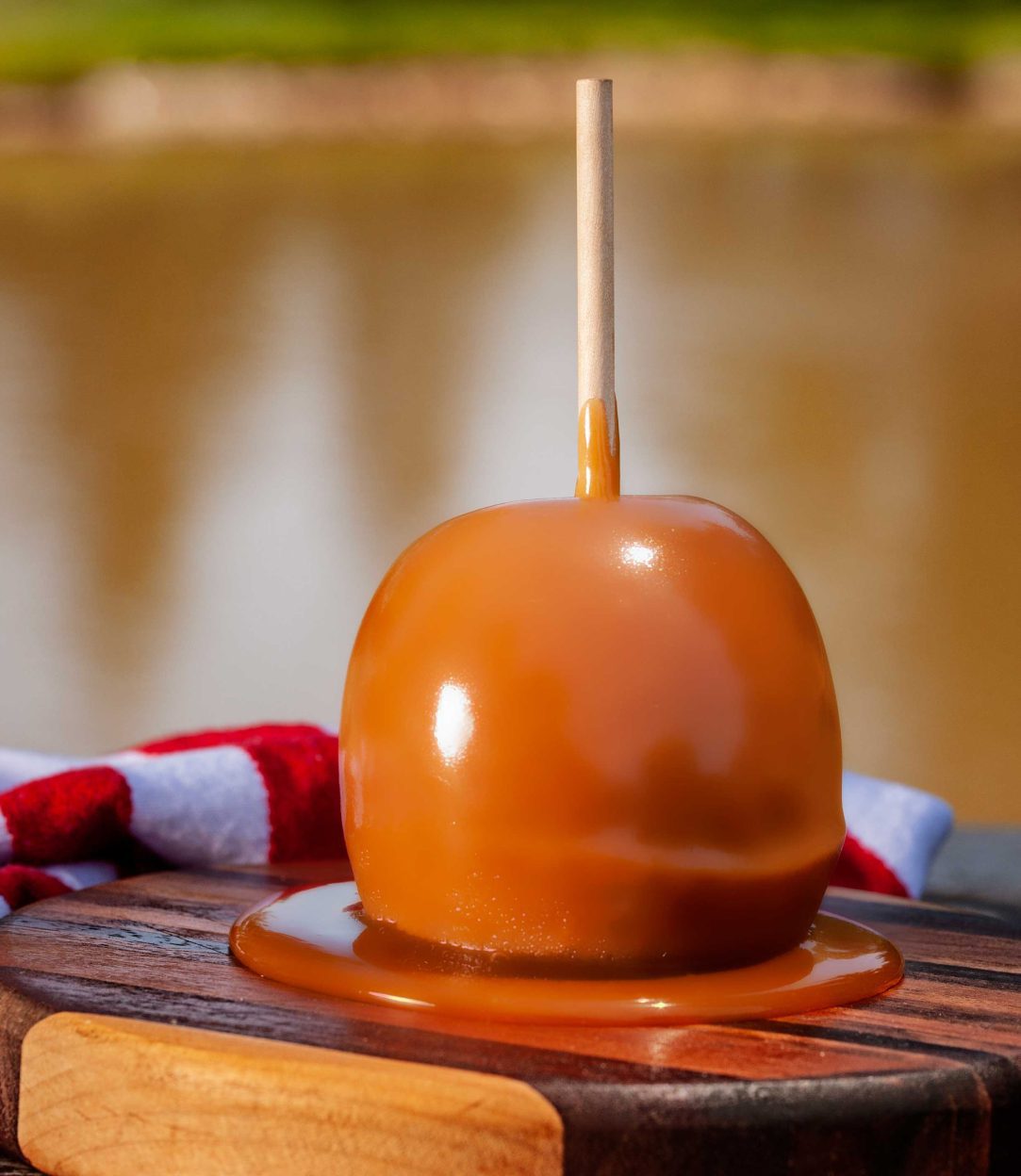
Just minutes away, Rainbow Orchards continues a third-generation family farming tradition where visitors often smell fresh cider doughnuts before they reach the tasting counter. During harvest, apples are pressed into fresh cider while orchards surrounding the property illustrate why elevation remains one of the defining characteristics of Apple Hill.
Nearby, Lava Cap Winery sits near 2,700 feet above sea level, where volcanic soils and cool evenings help preserve acidity and balance in both red and white wines. Estate-grown Chardonnay and Viognier have become examples of what mountain viticulture can produce in El Dorado County.
The trail also showcases the diversity of the local beverage industry.
In downtown Placerville, Burning Barrel Spirits has become a destination for handcrafted spirits and cocktails. A short distance away, Cappelli Wine focuses on sustainably produced, small-lot wines emphasizing Italian varieties, while Geartooth Alewerks brews German-inspired beers in a seven-barrel system alongside an on-site smokehouse.
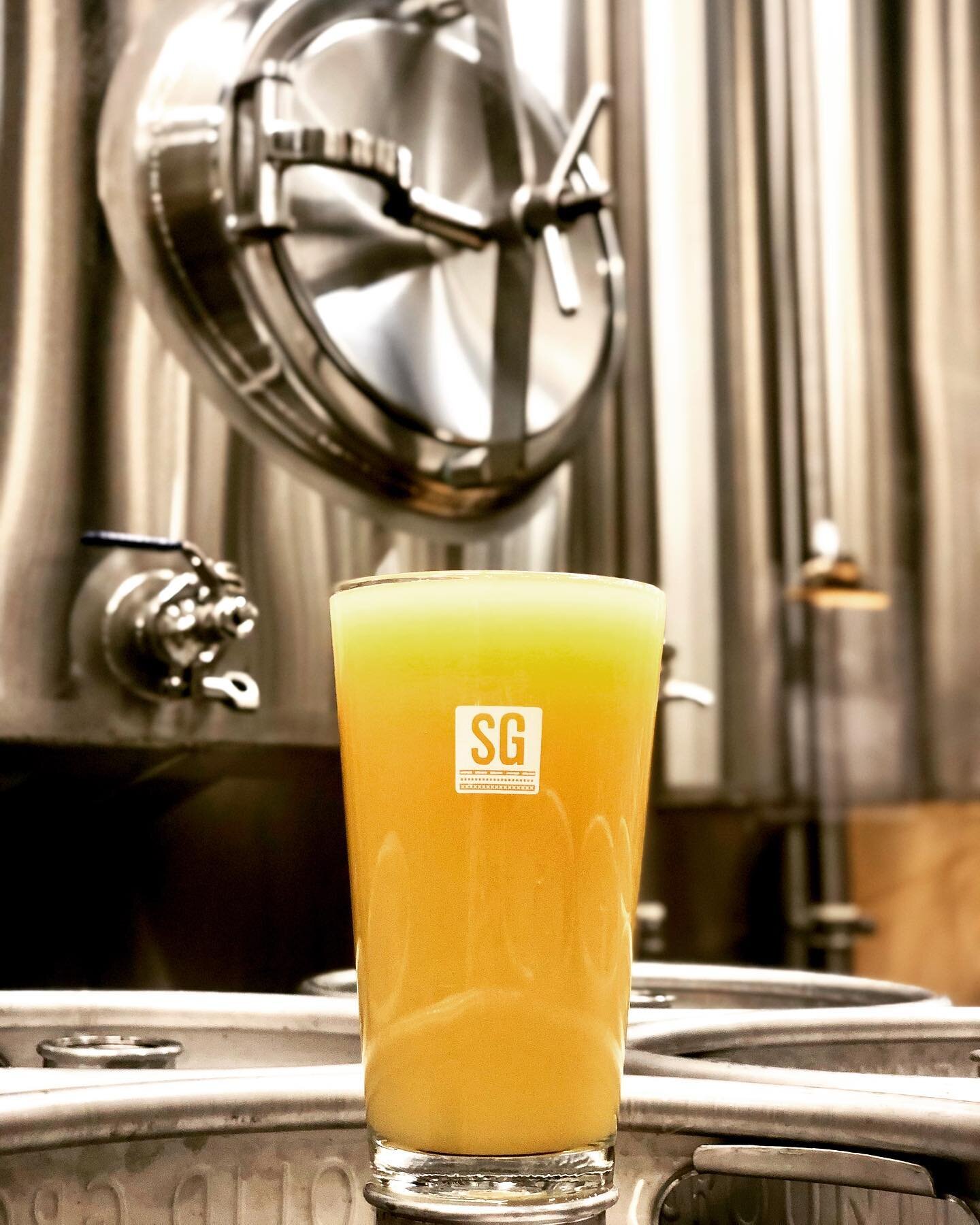
In Diamond Springs, Solid Ground Brewing stands apart by producing beer, wine and cider under one roof, illustrating the increasingly collaborative nature of El Dorado County’s craft beverage industry.
Apple growers have also diversified.
At Smokey Ridge Ranch, visitors will find 17 apple varieties growing alongside vineyards producing Syrah, Zinfandel, Grenache and Sangiovese. Delfino Farms combines the Edio Vineyards label with Henrietta Stich hard cider, further demonstrating how orchard and vineyard agriculture often coexist on the same property.
Other stops include Crystal Basin Cellars, whose downtown tasting room introduces visitors to mountain-grown wines without driving into Apple Hill, and Hwy 50 Brewery, where traditional English brewing styles distinguish it from many contemporary California craft breweries.
Planning a Visit
For travelers planning a weekend, local tourism officials generally recommend using downtown Placerville as a base. The city places visitors within approximately 15 minutes of several producers while keeping Apple Hill attractions within a short drive.
During September and October, however, Highway 50 and Carson Road can become heavily congested as Apple Hill harvest season draws thousands of visitors. Midweek visits often provide a more relaxed experience, with shorter waits at orchards and quieter tasting rooms.
Rather than attempting to visit every location in one day, many locals recommend dividing the trail geographically—exploring Placerville and Diamond Springs first before dedicating another day to Apple Hill and Camino.
More Than “Budget Napa”
Comparisons to Napa Valley frequently overlook what makes El Dorado County distinctive.
The Sierra Foothills remain a region of predominantly small-production wineries, family-owned farms and independent craft beverage makers. Many producers manufacture fewer than 5,000 cases annually, allowing them to experiment with Rhône and Italian grape varieties, locally grown apples, Sierra honey and traditional brewing methods that reflect the area’s agricultural heritage.
For residents and visitors alike, the Craft Beverage Trail offers something broader than a wine tour. It tells the story of mountain farming, family agriculture and locally made beverages shaped by elevation, climate and the working landscapes of El Dorado County.
Sources: The El Dorado Craft Beverage Trail, El Dorado Winery Association, federal records for the El Dorado AVA, and participating producer information.
13 producers to visit
 Burning Barrel Spirits
 High Hill Ranch
 Crystal Basin Cellars